

You booked the caterer and they tell you exactly when they’ll arrive. The event designers have a fixed setup window. The makeup artist blocks out your morning. Every vendor neatly fits into a timeline that you pictured. Then you reach the photographer, and suddenly a simple question becomes surprisingly difficult to guess.
How many hours should you book with them? Do they start early in the morning or only at the ceremony? And when does the plan actually end?
The truth is every photographer isn’t the same, and neither are their approaches, plans, and pricing. Some photographers focus only on the ceremony and portraits, whereas others build their coverage around storytelling and want to document the day from the quiet preparation in the morning all the way to the last dance at night. This is the reason one studio recommends 4-5 hours; others need 8-10 hours to get the job done.
As a professional wedding photographer, I always ask couples what they want from their photographers. That question usually brings them to the answers they were looking for. But if you’re still struggling to know how many hours of wedding photography you need, this blog is for you.
A Wedding Photography Timeline
Most couples assume getting great wedding photos is simple: you hire a great wedding photographer and the rest takes care of itself. But it rarely works that way.
The best wedding photography isn’t captured when the photographer has the right skills or equipment. They happen when the day has a structure to follow. Without a plan, even the best photographer spends half the time waiting for a perfect gathering, searching for people, or rushing through important moments.
That’s where a wedding photography timeline helps. A lot!
A wedding photography timeline is planned and scheduled that outlines what should be photographed and when throughout the day. Instead of guessing how long things might take, you and your photographer map out each part of the wedding in advance: preparation, ceremony, portraits, and reception. You can also tell them exactly what kind of pictures you want on your big day.
If there’s no timeline, photography time will quietly slip away, and couples only realize it after the day is over. Here’s how a photographer timeline actually helps:
• It tells you when the photographer should arrive
• It prevents a rushed experience
• It captures important moments
• It keeps family portraits organized
• It captures the coverage you really need
A timeline isn’t a strict schedule meant to control your day. It’s a quiet guide working in the background so you can stay present while your photographer makes sure the story of your wedding is fully captured.
Comparing 6 vs. 8 vs. 10 vs. 12 Hours of Coverage
Unless we are your personal wedding photographers, we don’t tell you to do X at time Y. Every couple is different, and so are their wedding, venue, and timelines. Confusion begins because wedding photography package hours often show simple numbers to choose from: 6 hours, 8 hours, 10 hours, or 12 hours. But those numbers don’t mean much until you understand what your wedding day looks like inside those hours.
Let’s evaluate what each wedding photography coverage length realistically gives you.
6-Hour Wedding Photography Timeline
Six hours of wedding shoots focus on covering mostly the main events rather than the full story. This timeline is best suited for intimate weddings, single venues, and shorter receptions.
You can expect coverage of:
- First look or pre-ceremony portraits
- Wedding party and family photos
- Ceremony
- Reception entrance
- First dance and a few formalities
However, you may miss shots of getting ready and candid interactions with family before the ceremony. Couples who want their gallery to emphasize the day’s events rather than the emotional moments can choose this timeline.
8-Hour Wedding Photography Timeline
Most couples go with the 8-hour timeline because it covers the important parts of the day without rushing. Mostly suited for traditional weddings, this timeline usually begins during the final stage of getting ready and continues through a good portion of the reception.
You can expect coverage of:
- Final getting-ready preparations
- Details (dress, rings, invitation suite)
- Ceremony
- Family portraits
- Couple portraits
- Speeches and first dances
- Early dancing
This option is great for capturing the wedding day clearly from preparation to celebration, but you may miss early morning rushes and late-night exits.
10-Hour Wedding Photography Timeline
With a 10 hours timeline, the photographer gets enough time to document the event and capture laughter between friends, quiet moments with parents, and the atmosphere of the reception. It is best suited for larger weddings, multiple locations, or couples who value candid moments.
You can expect coverage of:
- Complete getting-ready coverage
- Venue and décor details
- First look (if planned)
- Ceremony
- Extended portrait time without rushing
- Cocktail hour
- Speeches and dances
- Open dance floor energy
This timeline allows the couple to actually enjoy their day instead of rethinking the captured moments.
12-Hour Wedding Photography Timeline
Twelve hours means a complete wedding story. With this timeline, the photographer is present from morning preparation through the final celebration. It’s perfect for long timelines, cultural weddings, or late-night celebrations.
You can expect coverage of:
- Both partners getting ready
- All details and candid interactions
- Ceremony and traditions
- Multiple portrait sessions if needed
- Full reception
- Late dancing
- Grand exit or send-off
This is especially helpful when there are multiple venues, the reception runs late, or cultural or religious tradition takes extra time. The biggest advantage of this timeline is that couples don’t need to keep watching the clock or worry about an important moment being cut short because coverage ended.
How Many Hours Do You Actually Need?
By this point, most couples might have figured out their answers. Others might still be hoping there’s a simple number that they can rely on. This is because they know a precise number rarely works for everyone.
They understand that the right coverage isn’t decided by the size of the venue or the number of guests. It depends on how your wedding is structured and which parts of the day you want to remember later.
So, instead of choosing hours first, start by thinking about your day.
- Do you want photos of getting ready with your family and friends?
- Are the ceremony and reception happening at the same place or different locations?
- Are you planning speeches, dances, or a formal exit at the end of the night?
Every “yes” quietly adds time. When you begin adding more parts together, you realize a wedding day stretches more than you initially imagined. A simple way to understand your coverage is to build your day around the ceremony time.
Write down when your ceremony begins, then work backward and forward from that point. This helps you see how much time each part of the day actually requires instead of guessing.
Before the ceremony
- Getting ready photos: 60–90 minutes
- Detail photos (dress, rings, invitations): 20–30 minutes
- First look and couple portraits (if planned): 30–45 minutes
- Wedding party and family portraits: 30–45 minutes
Between ceremony and reception
- Congratulations and candid hugs: 15–20 minutes
- Travel between venues: 15–30 minutes (sometimes more)
- Additional portraits or sunset photos: 15–25 minutes
- Cocktail hour coverage: about 60 minutes
During the reception
- Grand entrance: 10 minutes
- First dance and parent dances: 15–20 minutes
- Speeches and toasts: 20–40 minutes
- Dinner service and guest interaction: 45–60 minutes
- Cake cutting and traditions: 10–15 minutes
- Open dancing: 45–90 minutes
When you add elements together, most of your guesswork will be automatically removed. You’ll also understand why a wedding rarely fits neatly into a short hour of wedding photography package. Sometimes, even a simple wedding day naturally stretches close to 8 hours, and anything with multiple locations or a full reception often moves closer to 10 hours or more.
Conclusion
By now, you must have realized that a single number rarely works for every couple or wedding.
The right coverage depends on your timeline, your priorities, and the parts of the day you want to remember years from now. The decision becomes much easier when you understand how your day actually unfolds.
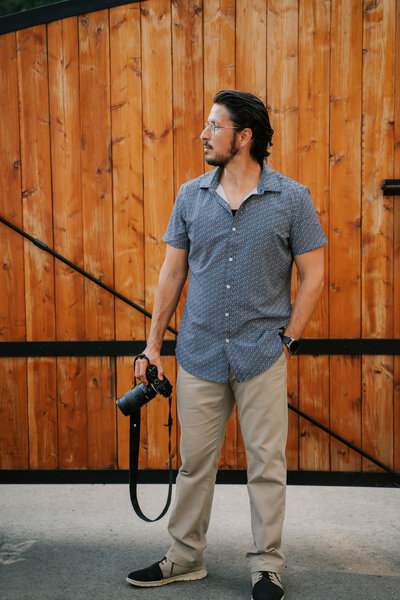
If you’re still unsure, I’m happy to help you plan it out. At American Portra, my wife and I have planned photography coverage for hundreds of couples across California. Tell us your ceremony time and a few details about your plans, and we’ll guide you on the right coverage for your wedding.
Frequently Asked Questions (FAQs)
1. How do I know if my timeline is too tight for photography?
If portraits, family photos, and travel are squeezed into about an hour, it’s too tight. Plan roughly 2–3 hours around the ceremony so you don’t feel rushed.
2. Should we do a first look to save time?
It’s optional, but it lets you finish many portraits before the ceremony and enjoy more of your cocktail hour with guests.
3. What happens if the wedding runs late?
If the scheduled coverage ends, the photographer will need to leave unless additional time is arranged. A small buffer in your coverage helps prevent missed moments.
4. Do travel time and multiple locations affect coverage hours?
Yes. Even a short drive reduces photo time and often means you’ll need longer coverage.
5. What moments do couples most often regret missing?
Getting-ready moments with family, candid guest interactions, and reception dancing are the most commonly missed with shorter coverage.