


What Couples Don’t Realize About Wedding Photography Until It’s Too Late
Most couples believe wedding photography is a solved decision. You like the portfolio, agree on the date, trust your instinct, and move on. It feels straightforward.
What almost no one tells you is that wedding photography doesn’t reveal its truth on the wedding day. It reveals itself later. Long after the music stops. Long after the adrenaline fades. When you finally sit down, open the gallery, and try to reconnect with how the day actually felt.
That’s when small things begin to surface. Moments that felt electric now look flat. Emotions you remember vividly appear muted or rushed. Certain parts of the day feel strangely distant, even though you know they mattered. Nothing is “wrong” exactly. It just doesn’t fully match the memory you carry.
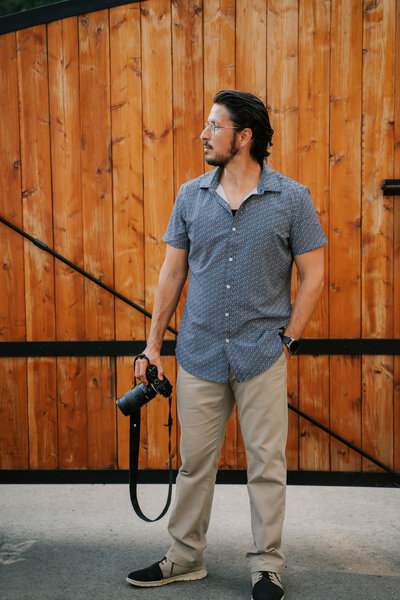
Hi, I’m Nick. I’ve been present for hundreds of wedding days, and I’ve learned that the most important photography decisions are rarely the ones couples think they’re making. They’re hidden inside assumptions about timing, energy, direction, and storytelling. This blog exists to unpack those blind spots and help you see what most couples only understand when it’s already too late to change. This is your chance to avoid those common wedding photography mistakes.
You Planned a Tight Timeline Without Realizing the Cost
A tight timeline looks appealing on paper. Everything fits neatly and feels efficient, intentional, and controlled. You’re moving, ticking things off, and staying “on schedule.”
What doesn’t show up on the schedule is how photography actually works inside those time blocks.
When portraits are compressed into short windows, the photographer stops observing and starts managing. Movement replaces intention. Instead of waiting for expressions to settle or energy to unfold, shots are taken the moment people arrive in position. The result? Technically complete, emotionally thin.
Tight timelines also erase recovery time. Weddings don’t run late in big ways; they slip in small ones. You don’t feel it in the moment because you’re being carried forward. You notice it later, when the variety just isn’t there. However, building space into the schedule is one of the most practical wedding photography tips for couples, even if it feels counterintuitive during planning.
You Didn’t Really Know How the Venue Would Photograph
Photography doesn’t record atmosphere the way the human eye does. It records contrast, direction of light, color cast, and physical space.
A venue that feels intimate can photograph dark and heavy. A room that feels elegant can flatten into shadows. What couples rarely realize is that photography doesn’t record how a space feels when you’re standing still. It records how a space behaves when people are moving through it on a schedule.
Venues often force photographers into fixed positions.
- Ceremony aisles that are too narrow to step into.
- Columns or décor that block clean sightlines.
- Balconies and staircases that look dramatic in person but cut faces in half once the crowd fills in.
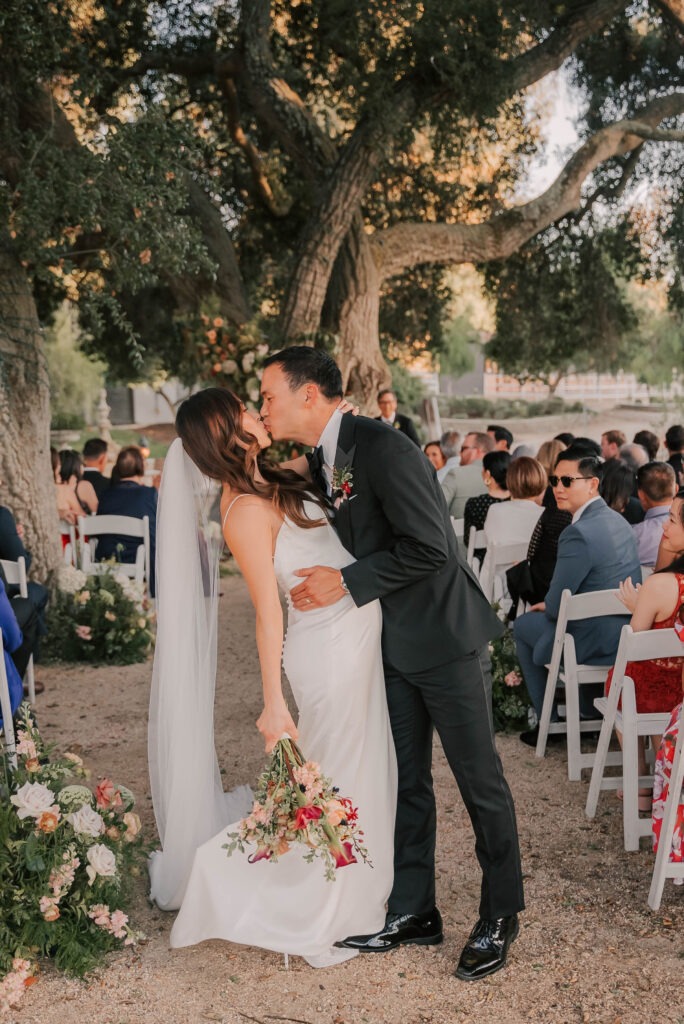
These constraints don’t show up during a quiet walkthrough. They only exist when the room is full and time is moving forward. The real problem isn’t lighting or color. It’s predictability. You didn’t know which moments the venue would allow cleanly and which ones it would quietly compromise. By the time you see that pattern in your gallery, the venue has already dictated the limits of your story. However, it’s a wedding photography mistake you could have avoided when you scouted the space the way it would actually be used.
The Photographer Didn’t Truly Understand Your Expectations
Most couples believe expectations are clear because the conversation felt good. Everything felt aligned, so they assumed the understanding was mutual.
What’s rarely realized is that most photographers translate expectations through their own habits. When you say “natural,” they hear minimal posing. When you say “candid,” they think of unprompted moments. When you say “timeless,” they picture the way they already edit. The words match. The meaning doesn’t.
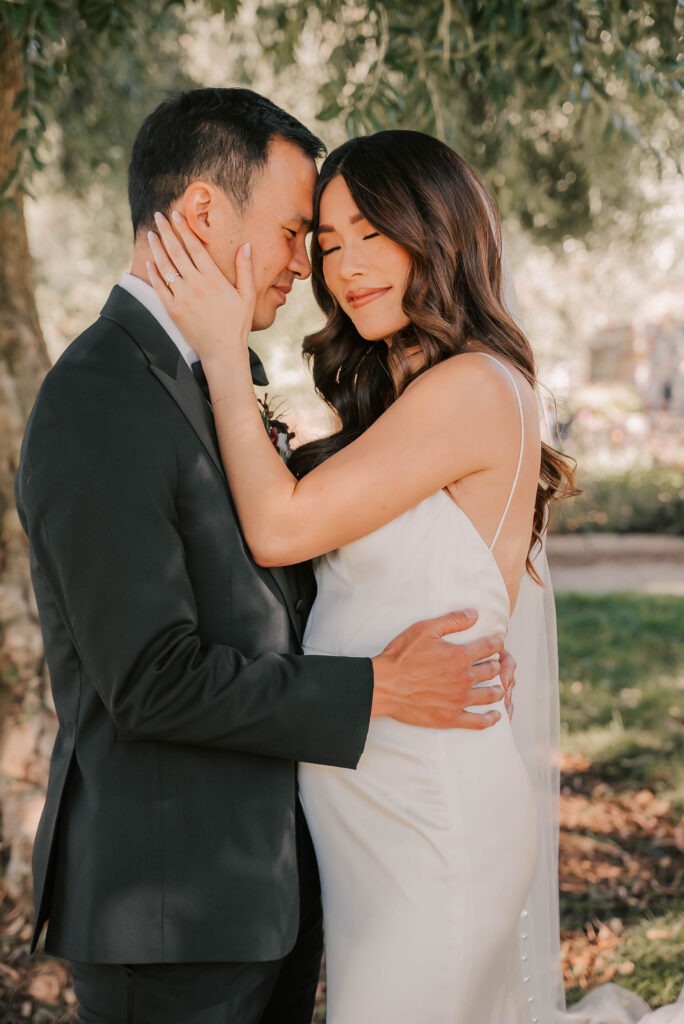
The gap doesn’t show up on the wedding day. The disconnect only becomes visible later, when you realize the emphasis isn’t where you thought it would be. Certain moments feel underdeveloped. Others feel overly controlled. The balance you imagined never quite appears.
The hardest part is that this isn’t a wedding photography mistake you can point to. Nothing went wrong. Your expectation simply lived in your head, while the photographer worked from instinct and routine.
You Didn’t Ask What the Editing Would Feel Like
Most couples think of editing as a finishing step. Something that smooths and polishes what was already captured. As long as the photos look “nice”, it feels like a non-issue.
However, editing is where the emotional tone of the entire day is decided. It controls how time feels when you look back. Editing determines whether moments are soft or sharp, present or already nostalgic. Two photographers can shoot the same scene and deliver galleries that tell completely different stories simply through how they edit.
This gap shows up when couples scroll through their gallery and feel a quiet disconnect. This is where choosing an editing style becomes important. Because it’s a decision about how they’ll remember themselves. A more portrait-driven edit tends to slow everything down. A timeless approach usually leans toward consistency and restraint, one of the less discussed but essential wedding photography tips for couples.
When couples can’t articulate how they want to remember themselves, the interpretation defaults to instinct and habit.
The Details You Spent Months On Barely Appear
Most couples don’t obsess over details for aesthetics alone. They do it because details are the only parts of the wedding they fully design. Everything else happens once and moves on. Details are planned, revised, approved, and paid for with intent. Without them, the wedding photographs still exist, but they float, detached from the care that shaped the day.
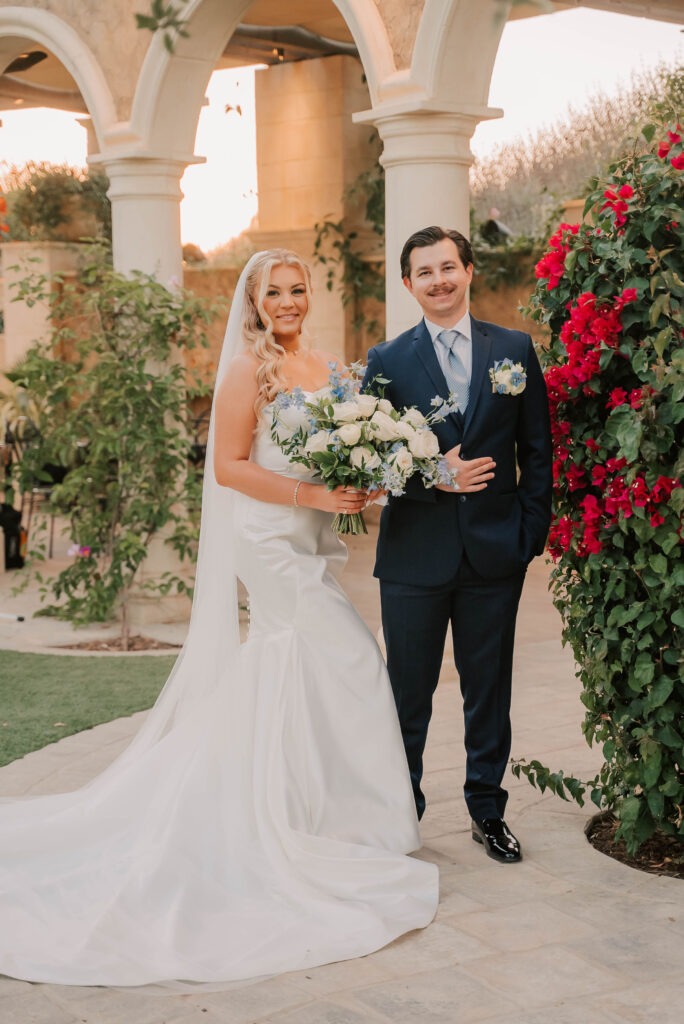
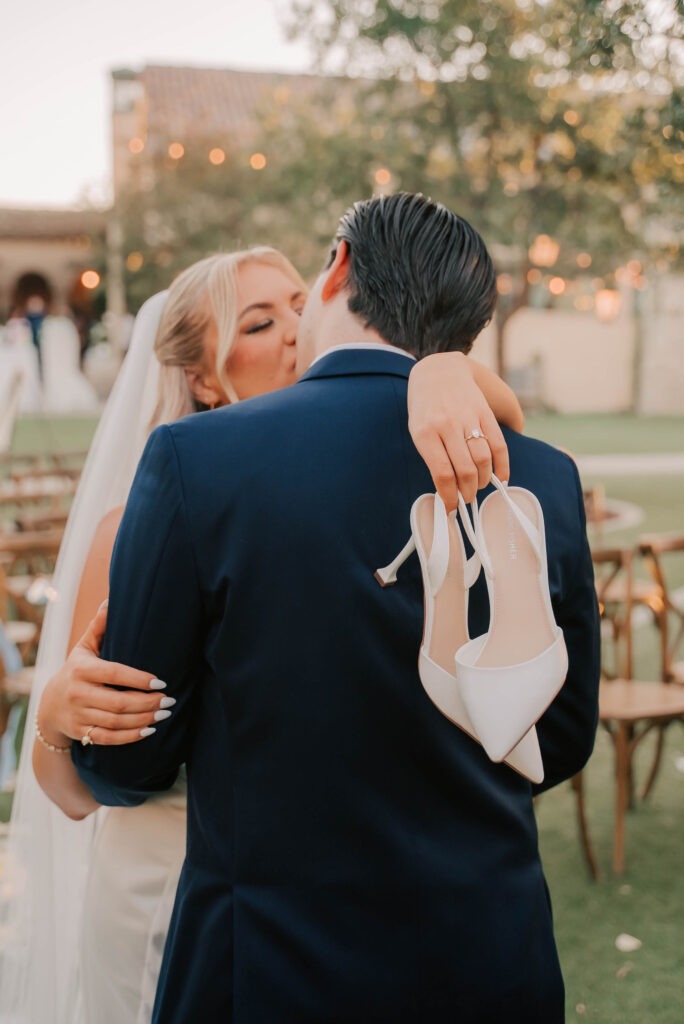
Most couples assume details will naturally be documented because they mattered so much during planning. This is where the problem starts. When the schedule tightens, details are captured quickly, sometimes in a single frame, sometimes not at all. There’s rarely a second chance.
The absence isn’t obvious at first. Couples don’t realize the impact until they review the gallery and notice how little visual record exists of the effort they invested. These details are what vendors, family, and even couples themselves look for when revisiting the day. Without them, the wedding feels less considered on camera than it actually was.
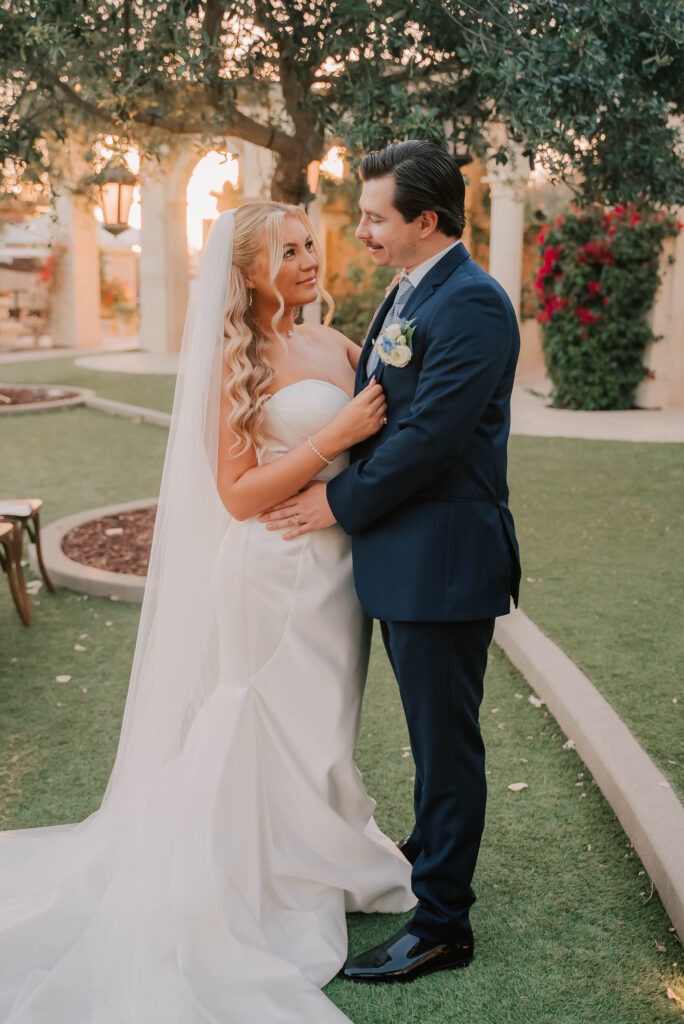
The Contract Details You Skimmed Became Painful
Most couples skim the contract. They trust the photographer, the day feels far away, and the language looks standard enough.
The problems show up later when you have already made mistakes in your wedding photography.
Delivery timelines are often written as estimates, not deadlines. That means weeks can turn into months with no breach of agreement. Image counts are usually minimums, not promises. If you expected a certain volume or type of coverage and it isn’t there, the contract rarely supports that expectation.
Many contracts don’t guarantee specific moments, people, or shots. If something is missed, there’s often no obligation to explain or correct it. Editing terms matters more than couples realize. Some contracts allow no revisions at all. Others limit retouching or exclude certain requests entirely.
None of this feels important before the wedding. It feels very important afterward. Not because anyone did something wrong, but because the agreement protects process, not feeling. And once the day has passed, the contract is the only reference that matters.
The Photos Documented the Day, But Didn’t Tell the Story
The photos covered every detail and captured every loved one as well as significant moment, yet something feels off.
That’s because moments were captured as an event, not as a sequence/story. The images/videos show what happened, but not how one part of the day led into the next. This usually happens when photography is treated as coverage rather than observation. The photographer arrives at each moment on time, takes the required photos, and moves on. There’s no pause to let a scene settle or to capture what connects one moment to the next. Small in-between interactions are skipped, even though they’re what give context to everything else.
You don’t notice this immediately. You notice it when you try to relive the day and realize the photos don’t pull you through it. The story exists in your head, not in the images. And once that connective tissue is missing, it can’t be added later.
Final Thoughts
None of the issues discussed above comes from bad intentions. They come from assumptions. These assumptions pertain to timing, space, communication, editing, coverage, and the natural translation of the day into photographs. No couple makes the wedding photography mistakes intentionally. They simply don’t know where the real risks are until the day has already passed. At American Portra, this is exactly where our work begins.
We don’t treat wedding photography as coverage alone. We approach it as planning, interpretation, and restraint, working together. Timelines are built with breathing room. Venues are assessed for how they behave on camera, not just how they feel in person. Expectations are clarified beyond style words. Editing is intentional, and details are protected early, before they disappear. Most importantly, the story of the day is shaped as it unfolds, not reconstructed afterward.
Our role isn’t to add more complexity to your wedding. It’s to remove the blind spots that quietly cost couples the most. So when you look back, the photos don’t just prove the day happened; they reflect it accurately, fully, and without regret.
Frequently Asked Questions (FAQs)
1. When should photography time actually be planned during the wedding day?
Photography works best when time is built in early and with flexibility. Portraits, details, and key transitions need breathing room, not just allocated minutes on a tight schedule.
2. How can couples know if a venue will photograph well before the wedding?
By reviewing full wedding galleries shot at the same venue, not just highlight images. This shows how the space behaves once it’s full, moving, and on a real timeline.
3. What should couples clarify with their photographer beyond style preferences?
They should discuss direction, pacing, key moments, detail coverage, and how the story of the day will be captured, not just how the photos will look.
4. Why does editing style matter more than couples think?
Editing determines mood, tone, and how memories feel over time. It shapes whether the day feels soft, dramatic, restrained, or modern when revisited years later.
5. What’s the biggest mistake couples make when reviewing photography contracts?
Assuming expectations are implied. Contracts usually protect process, not emotion, so delivery timelines, coverage limits, and revision terms should be clearly understood upfront.